A home gym can turn chaotic quickly. Plates on the floor, bands in a pile and bars leaning against walls create tripping hazards and make workouts slower. Good storage protects equipment, frees floor space and makes the gym more pleasant to use.
Why Storage Matters
- Safety: Fewer tripping hazards
- Space: More room to move
- Equipment care: Less damage and rust
- Efficiency: Faster workouts when everything has a place
Plate Storage
Plate Trees
Freestanding trees with horns for plates.
Pros: Movable, no wall mounting.
Cons: Use floor space.
Rack-Mounted Horns
Plate horns attached to power rack uprights. They add stability by weighting the rack.
Wall-Mounted Plate Storage
Horns mounted on walls into studs.
Pros: Saves floor space.
Cons: Requires secure mounting.
Plate Racks With Wheels
Mobile racks for moving plates.
Barbell Storage
- Horizontal gun racks mounted to walls
- Vertical bar holders on the floor
- Rack-mounted storage
Avoid leaving bars leaning against walls. See how to choose a barbell.
Dumbbell Storage
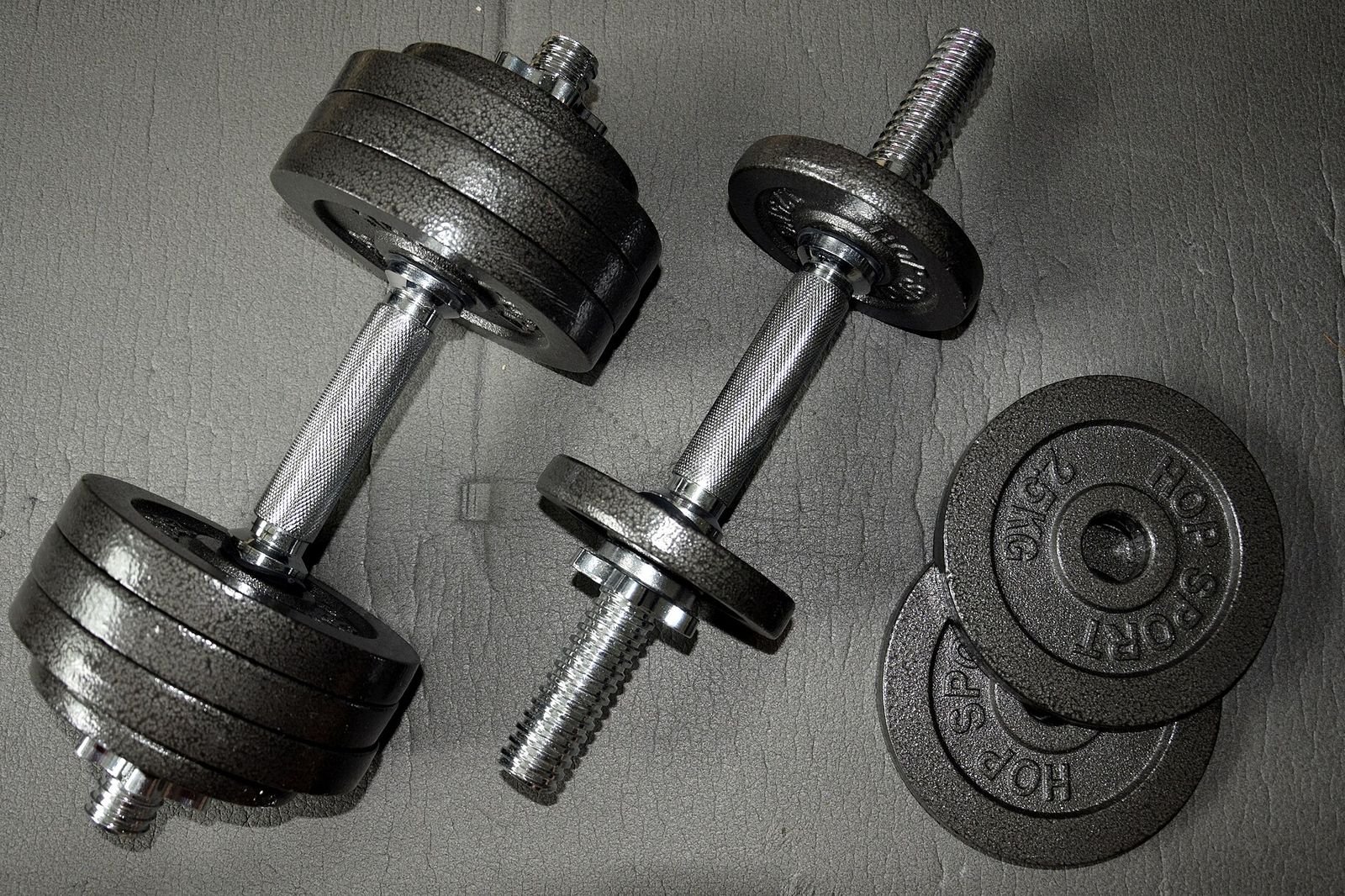
- Tiered dumbbell racks for fixed dumbbells
- Stands for adjustable dumbbells. See our adjustable dumbbells guide.
Accessories Storage
- Pegboards for bands, jump ropes and handles
- Hooks for belts and bands. See our resistance bands guide.
- Shelving for small items
- Bins for mobility tools and small accessories
Bench and Cardio Storage
- Vertical storage for some benches
- Upright storage for some rowers. See our rowing machine buying guide.
- Folding equipment
Wall Mounting Safety
Mount storage into studs or appropriate anchors. Follow manufacturer guidance and weight ratings. Check mounting periodically.
Rust Prevention
In garages, humidity can cause rust. Use dehumidifiers, keep equipment off concrete and wipe down bars.
Layout Ideas
- Store plates near where they are used
- Keep walkways clear
- Group related equipment
- Keep heavy items low
Small Space Storage
In small spaces, use vertical storage and multi-purpose equipment. See small-space home gym.
Kid and Pet Safety
Secure heavy items and keep plates on storage. Keep small items away from children.
Plan Before You Buy Storage
Storage works best when you plan around how you train:
- List your equipment and how much space each item needs
- Group by use: Store plates near the rack, bands near the open floor area and cardio accessories near cardio machines
- Measure wall space and find studs before buying wall-mounted storage
- Think about growth: Leave room for equipment you may add
Budget Storage Options
You do not need expensive storage to stay organized:
- Simple shelving units hold small items and bins
- Utility hooks from hardware stores work for bands and jump ropes
- Milk crates or bins contain mobility tools
- DIY plywood plate storage can work if built and mounted carefully
See garage gym on a budget for more ways to stretch a budget.
Labeling and Organization
Labels and consistent placement help everyone return equipment to the right place. In shared gyms, a simple rule that every item goes back after use prevents clutter.
Common Mistakes
- Mounting heavy storage into drywall without studs or proper anchors
- Leaving plates on the floor where they become trip hazards
- Storing bars leaning against walls
- Placing heavy items on high shelves
- Ignoring humidity, which can lead to rust
Storage for Different Spaces
Garages
Garages offer wall space and concrete floors. Wall-mounted storage works well, but control humidity to reduce rust and keep equipment away from car doors.
Basements
Basements can be damp. Dehumidifiers and storage off the floor help protect equipment.
Spare Rooms and Apartments
In finished rooms, freestanding storage avoids wall damage. Choose furniture-style storage, bins and compact racks. See small-space home gym.
Storage for Racks and Flooring
Power racks often support plate horns, bar holders and hooks. Using rack storage keeps the floor clear and adds weight to the rack base. See our power rack buying guide. Rubber flooring under storage also protects floors. See our rubber gym flooring guide.
Seasonal Checks
A few times per year, check wall mounts, wipe down equipment, inspect bands and look for rust. A quick review keeps storage safe and equipment in good condition.
Storing Plates by Weight
Organizing plates by weight from heaviest at the bottom to lightest at the top keeps storage stable and makes it quicker to load bars. See weight plates explained.
Keeping the Floor Clear
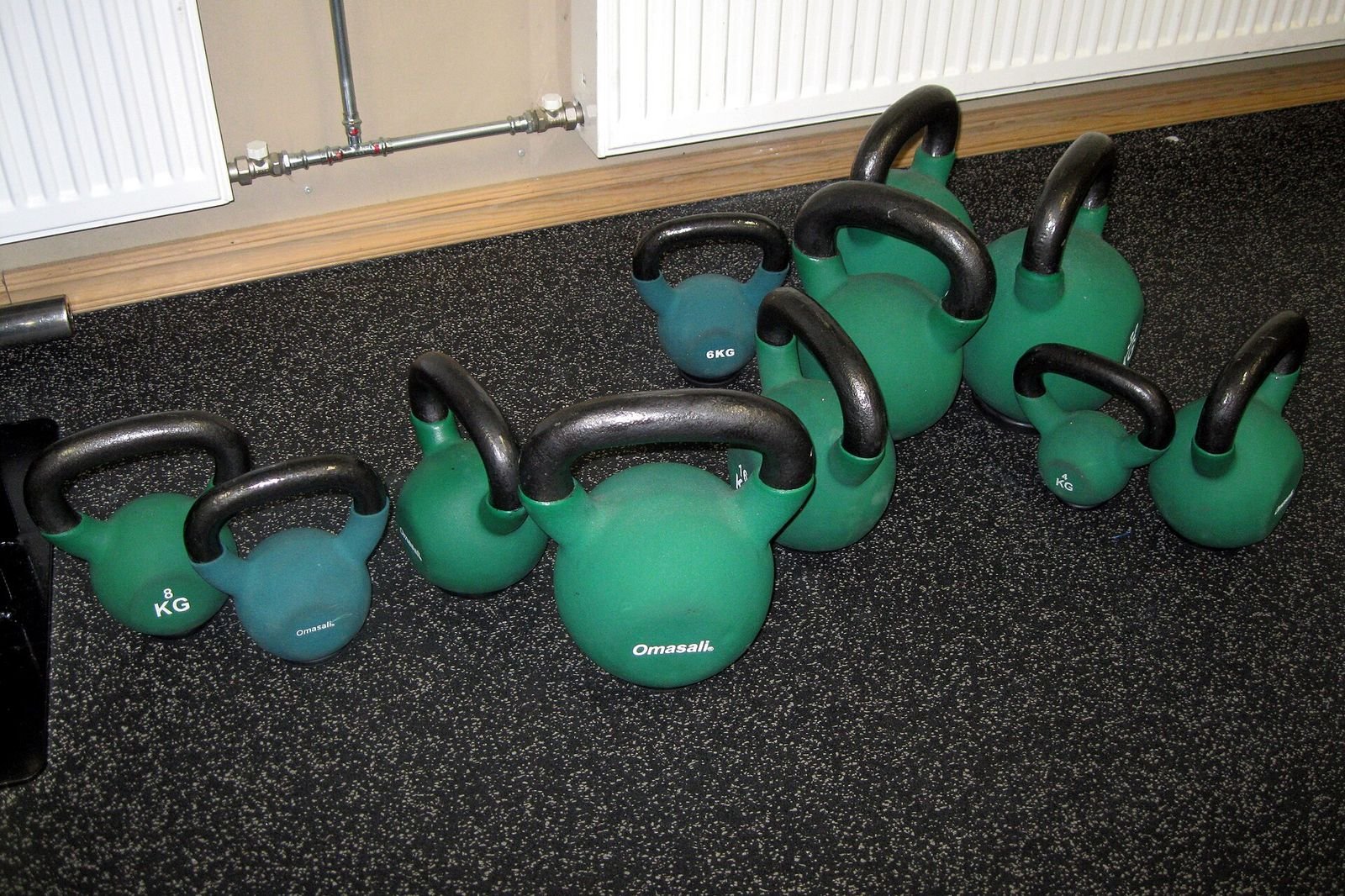
A good rule of thumb is that nothing lives on the floor except equipment designed for it. Loose plates, kettlebells and bands all have dedicated spots.
Storage Checklist
- Plates stored on trees, horns or wall racks
- Bars stored horizontally or vertically in holders
- Dumbbells on racks or stands
- Bands and small accessories on hooks or pegboards
- Heavy items stored low
- Walkways clear
- Wall mounts in studs or proper anchors
- Humidity controlled
Thinking About Aesthetics
A home gym you enjoy being in is easier to use. Matching storage, consistent colors and good lighting can make a garage or spare room feel more inviting. A mirror, a simple whiteboard for notes and a fan for airflow are inexpensive additions that improve the space. Keep these extras secure and out of the lifting area.
Getting Started This Weekend
If your gym is cluttered now, start with one step: pick everything up off the floor and sort it into groups. Then decide where each group lives, buy only the storage you need for those groups and mount it carefully. Small improvements add up quickly, and a tidy space makes it easier to see what equipment you really use and what you could sell or donate.
Frequently Asked Questions
What is the best plate storage?
Rack-mounted horns, plate trees and wall-mounted storage all work.
How should I store barbells?
On horizontal racks or vertical holders.
Do I need wall mounting?
It saves floor space but requires secure installation.
How do I prevent rust?
Control humidity and wipe down equipment.
How do I store bands?
On hooks or pegboards.
The Bottom Line
Organized storage improves safety, space and efficiency. Use plate trees or wall storage, store bars on racks and hang accessories on pegboards and hooks. Mount securely and control humidity to protect equipment.
Editorial note: Lift Nook is independent and reader-supported. This guide is based on research into manufacturer documentation, published specifications and widely accepted best practices; we have not been paid to mention any product. If we add affiliate links in the future, they will be clearly disclosed per our Affiliate Disclosure.
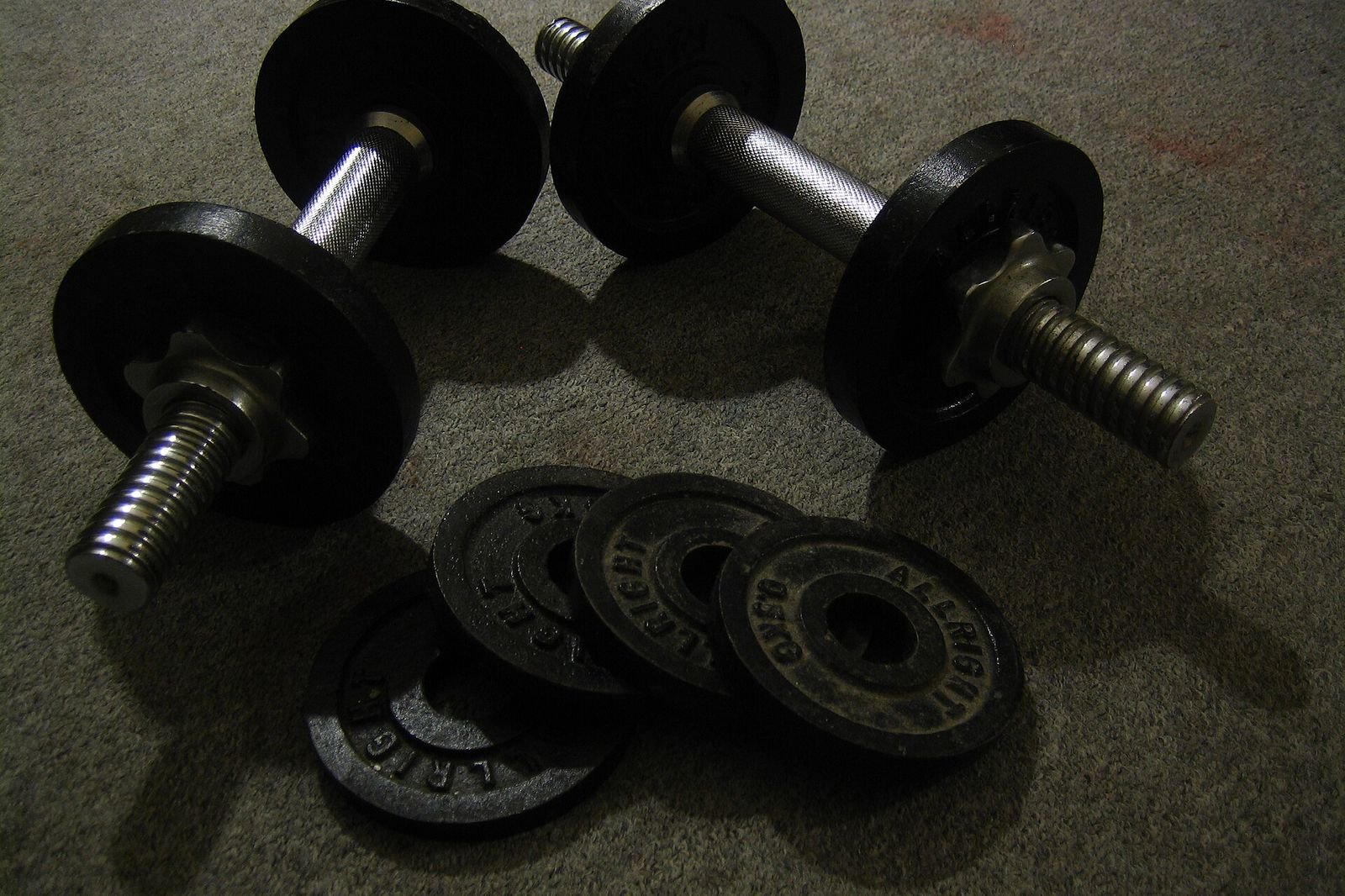
Photo: Dumbbells – Hanteln by I G, CC BY 2.0