A garage gym lets you train on your own schedule without commuting or waiting for equipment. It can also feel expensive when you see fully outfitted gyms online. The good news is that most people can start with a handful of pieces and add more over time, often buying used to stretch the budget.
This guide walks through how to plan a budget garage gym, what to prioritize and how to avoid common mistakes. It focuses on equipment and setup, not on training programs or health advice. If you have medical concerns, talk with a qualified professional before starting a new exercise routine.
Start With Your Goals and Space
Before buying anything, answer two questions:
- What kind of training do you plan to do? Barbell strength training, dumbbell workouts, cardio, bodyweight work or a mix?
- How much space do you have? Measure floor area, ceiling height and door clearance.
Ceiling height matters for overhead pressing and pull-ups. Note garage door tracks, which can hang lower than the ceiling. If you still park a car in the garage, plan equipment that folds or rolls away.
The Core Budget Setup
A common budget-friendly barbell setup includes:
- A power rack or squat stands for safe squats and presses. See our power rack buying guide.
- A barbell. See how to choose a barbell.
- Weight plates. See weight plates explained.
- An adjustable bench. See our adjustable weight bench guide.
- Flooring to protect the floor and equipment. See our rubber gym flooring guide.
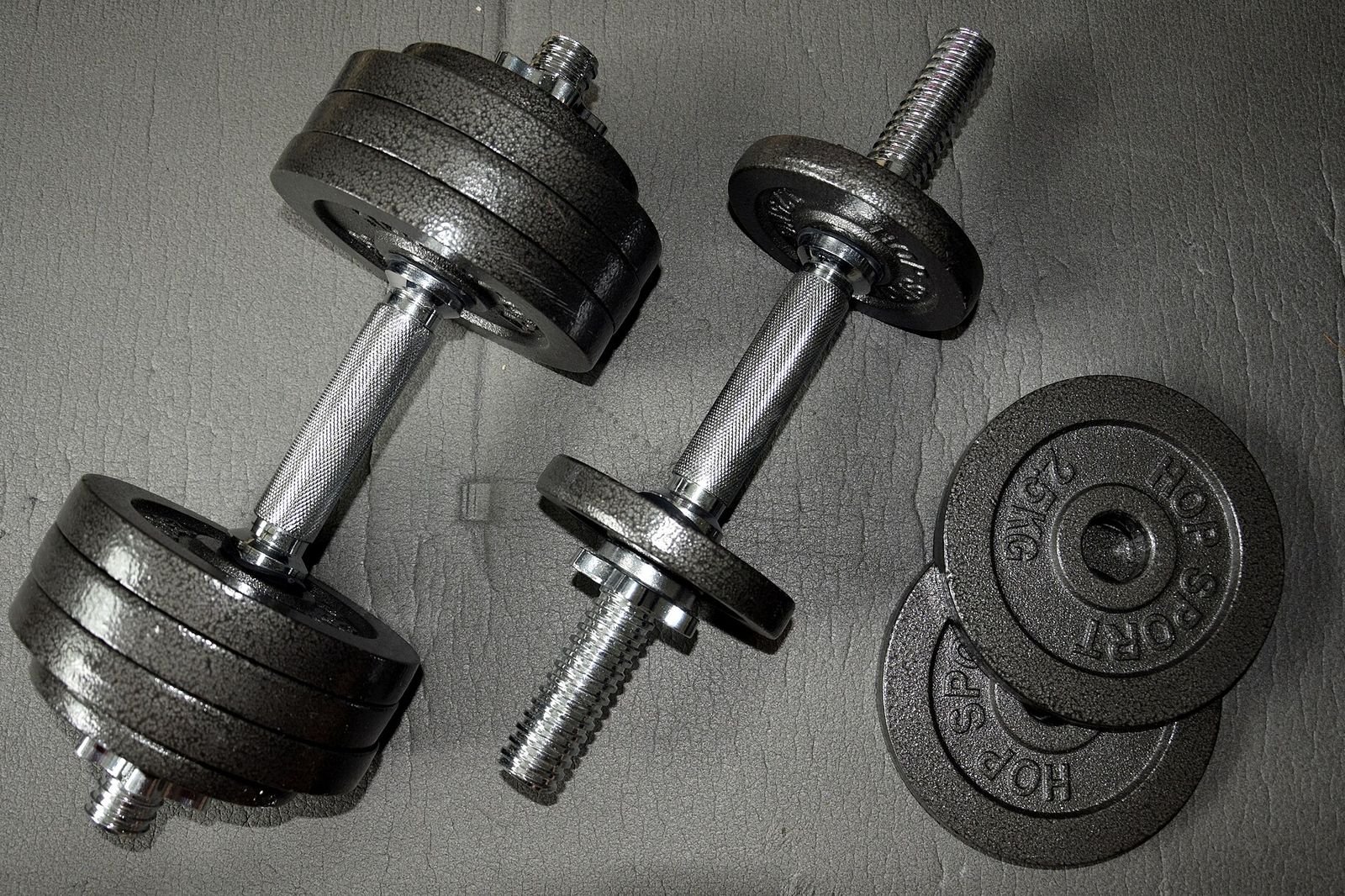
If you prefer not to use a barbell, a pair of adjustable dumbbells and a bench can cover a lot of training in a small footprint. See our adjustable dumbbells guide.
What to Buy First
Prioritize equipment that supports the most exercises:
- Rack and barbell or adjustable dumbbells
- Plates to match
- Bench
- Flooring
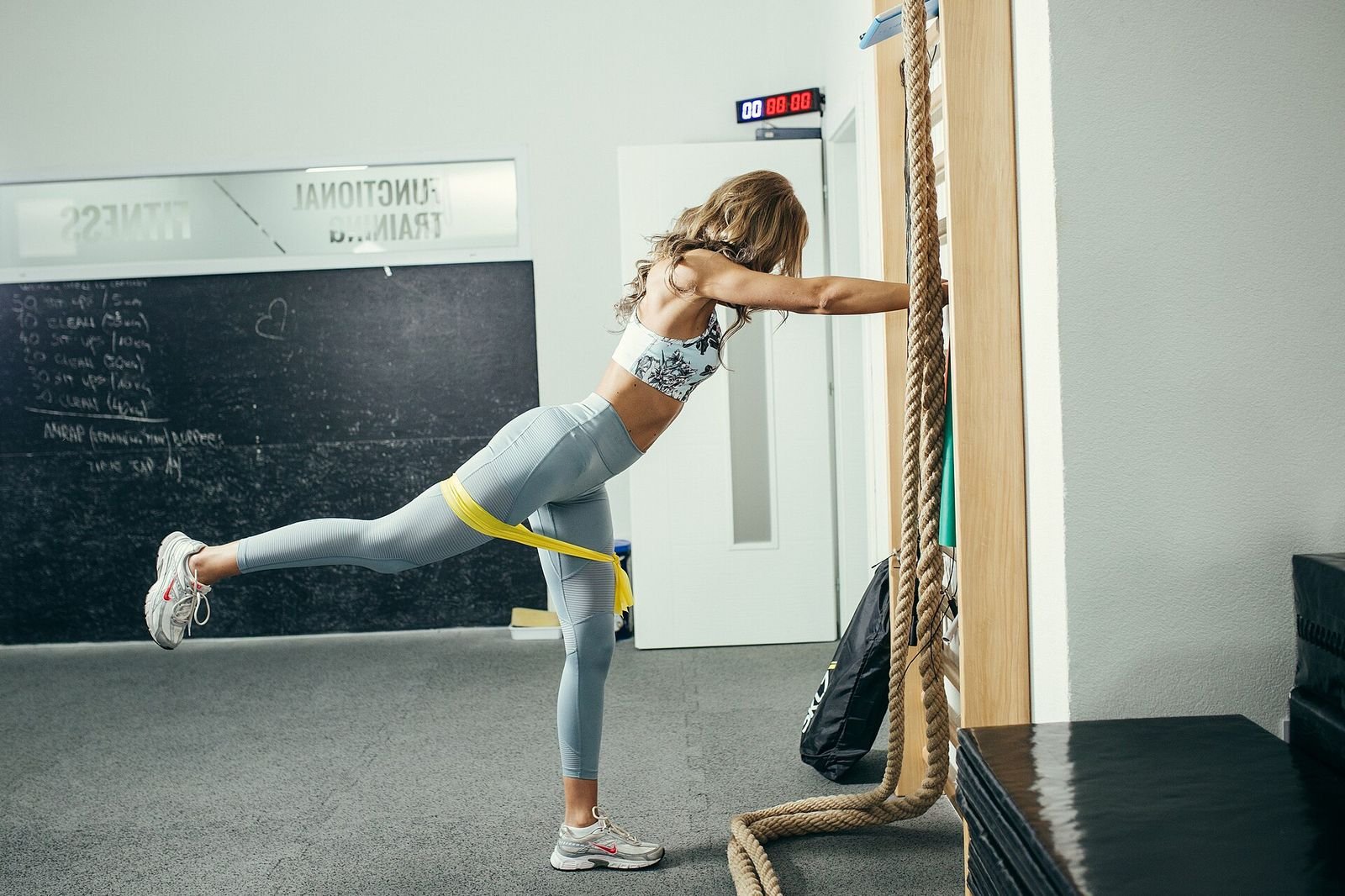
Accessories like resistance bands, pull-up bars and storage can come later. See our resistance bands guide.
Buying Used Equipment
Used gear can offer major savings, especially iron plates, dumbbells and benches.
Where to Look
- Local online marketplaces and classifieds
- Garage sales and estate sales
- Gyms that are closing or upgrading
- Used fitness equipment stores
What to Inspect
- Racks: Check welds, rust, bent uprights and whether J-hooks and safeties are included
- Barbells: Roll the bar to check for bends, spin the sleeves and check knurling
- Plates: Check for cracks, especially in bumper plates
- Benches: Check padding, wobble and adjustment mechanisms
- Cardio machines: Test thoroughly and ask about maintenance
Bring a tape measure and a friend to help transport heavy items.
Buying New on a Budget
If buying new:
- Watch for seasonal sales
- Compare shipping costs, which can be high for heavy items
- Check warranty terms
- Read recent owner reviews about quality and customer service
Space Planning
Leave Clearance
Leave room to load plates on both sides of a barbell, walk around the rack and move freely. A barbell is often around seven feet long, so plan for clearance beyond that.
Think Vertically
Wall-mounted storage keeps plates, bars and accessories off the floor. See home gym storage ideas.
Consider Folding Equipment
Wall-mounted folding racks and foldable benches can share space with a car. See small-space home gym.
Flooring
Concrete floors can crack under dropped weights and are hard on equipment. Rubber stall mats or gym flooring tiles add protection. See our rubber gym flooring guide.
Climate Control
Garages can get very hot or cold. Consider:
- Fans for airflow
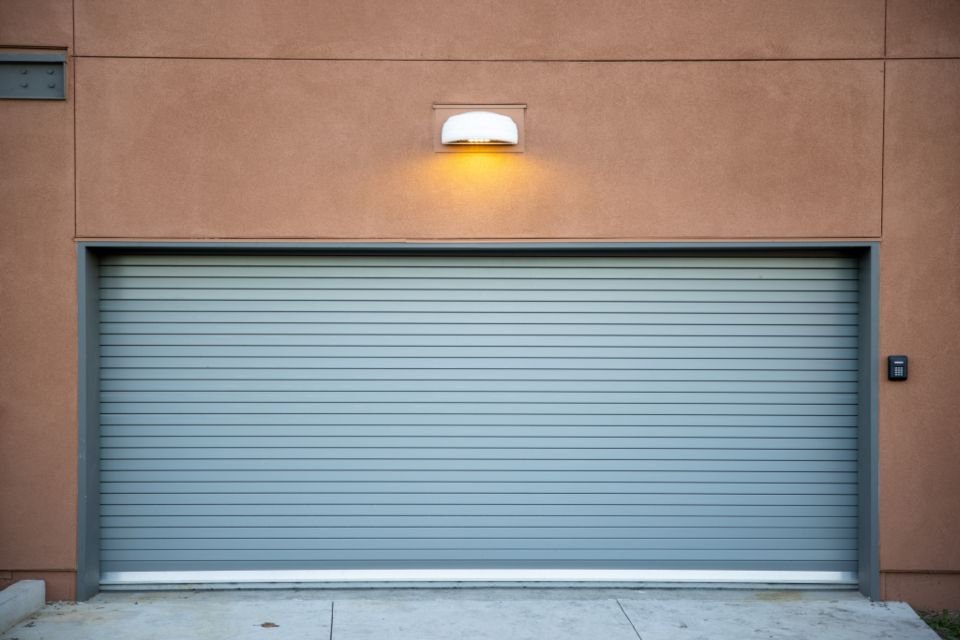
- Insulation of the garage door
- Space heaters used safely according to manufacturer instructions
- Dehumidifiers to reduce rust in humid climates
Lighting and Power
Good lighting improves safety. LED shop lights are a common upgrade. If you plan to use powered cardio machines, check outlet locations and circuit capacity.
Safety Basics
- Use safety arms or spotter arms when lifting heavy alone
- Use collars on barbells
- Keep the floor clear of tripping hazards
- Anchor racks if the manufacturer recommends it
- Keep children away from equipment and store plates securely
Expanding Over Time
After the basics, many people add:
- Pull-up bar or rack attachment
- Cardio equipment. See treadmill vs. exercise bike and our rowing machine buying guide.
- Dip attachments
- Specialty bars
- Storage
Add equipment when you notice a clear need rather than buying everything at once.
Sample Budget Approaches
| Approach | Core items |
|---|---|
| Minimal | Adjustable dumbbells, bench, mats |
| Barbell basics | Squat stands, barbell, plates, bench, mats |
| Full rack | Power rack, barbell, plates, bench, flooring |
Questions to Answer Before Spending Anything
A few honest answers keep a budget gym focused:
- How many days per week will you realistically train at home? Occasional use may justify a smaller setup.
- What do you enjoy? Equipment you look forward to using gets used.
- Where will everything live? Measure first, then shop.
- Who else will use the gym? Shared gyms may need a wider range of weights or adjustable equipment.
Write your answers down and revisit them before each purchase. It is easy to buy something because it looks appealing rather than because it fills a real gap in your setup.
Keeping a Simple Equipment Log
A short spreadsheet or notebook listing what you bought, when, what it cost and any warranty details is surprisingly useful. It helps you avoid duplicate purchases, track warranty claims and decide what to upgrade next.
Frequently Asked Questions
What is the first piece of equipment to buy?
A rack and barbell or a pair of adjustable dumbbells, depending on how you like to train.
Is used gym equipment worth it?
Often yes, especially plates and dumbbells. Inspect carefully.
Do I need rubber flooring?
It protects floors and equipment and is strongly recommended for barbell training.
How much ceiling height do I need?
Check rack height and leave room for overhead movements and pull-ups.
Can I keep a car in my garage gym?
Yes, with folding racks and mobile equipment.
The Bottom Line
Build a budget garage gym by starting with versatile core equipment, buying used where it makes sense, protecting the floor and planning space carefully. Expand gradually as your needs become clear, and prioritize safety equipment like safeties and collars.
Editorial note: Lift Nook is independent and reader-supported. This guide is based on research into manufacturer documentation, published specifications and widely accepted best practices; we have not been paid to mention any product. If we add affiliate links in the future, they will be clearly disclosed per our Affiliate Disclosure.
Photo: Garage Door by Matt Bango, CC0 1.0