You do not need a large garage to build a useful home gym. With careful planning and space-saving equipment, an apartment corner, spare bedroom or small garage section can support productive workouts. The key is choosing compact, multi-purpose gear and keeping it organized.
This guide covers small-space planning from an equipment perspective. It is not health advice.
Start With Measurements
Measure the floor space, ceiling height and clearance around doors and furniture. Consider how much space you need to move during exercises, not just to store equipment. Masking tape on the floor can help visualize layouts.
Space-Saving Equipment
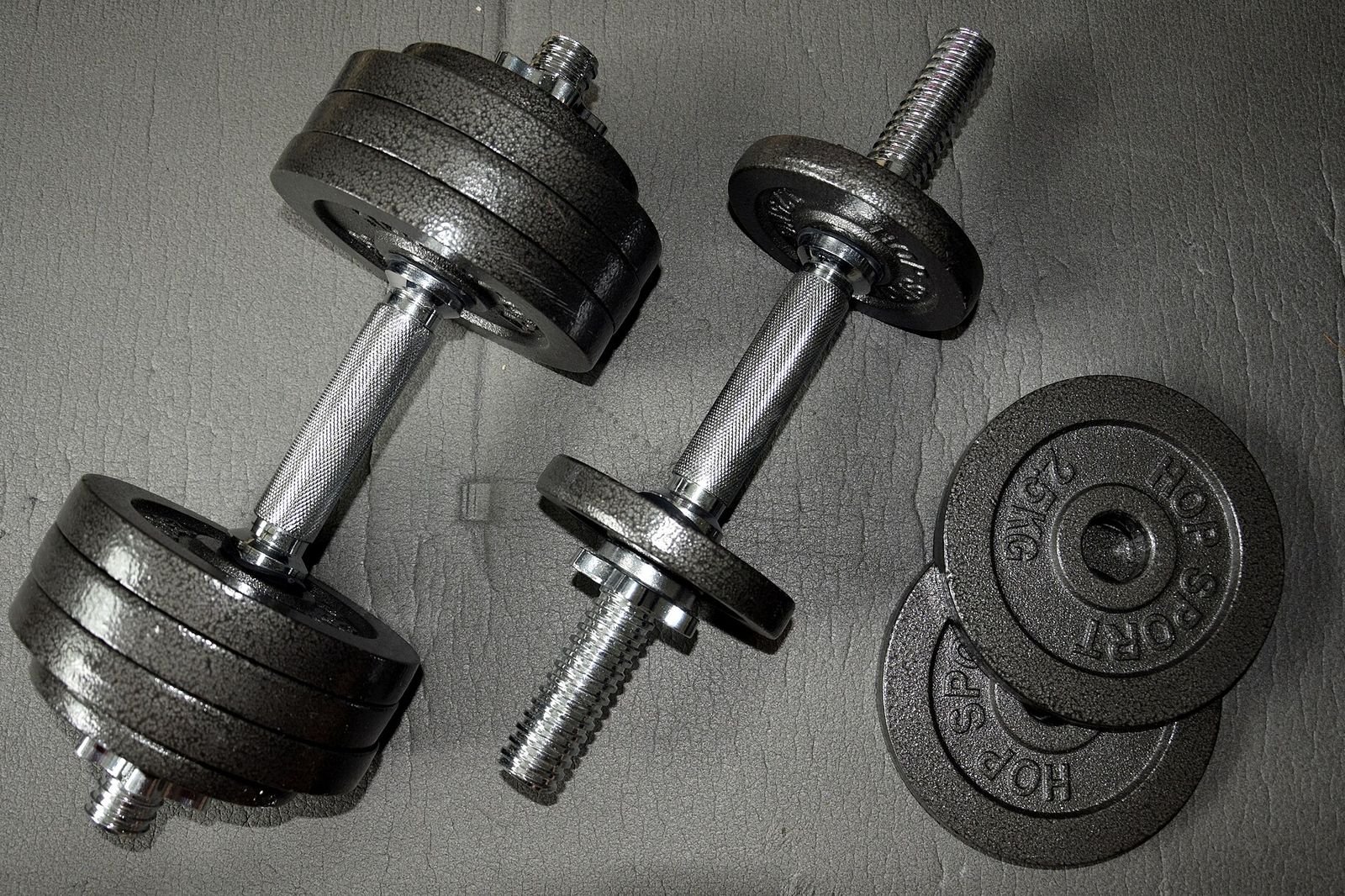
Adjustable Dumbbells
Adjustable dumbbells replace a full rack of fixed dumbbells. See our adjustable dumbbells guide.
Folding Benches
Folding or vertical-storage benches free floor space. See our adjustable weight bench guide.
Folding Racks
Wall-mounted folding racks fold flat when not in use. They require secure mounting into suitable walls and are often not appropriate for rental apartments without permission. See our power rack buying guide.
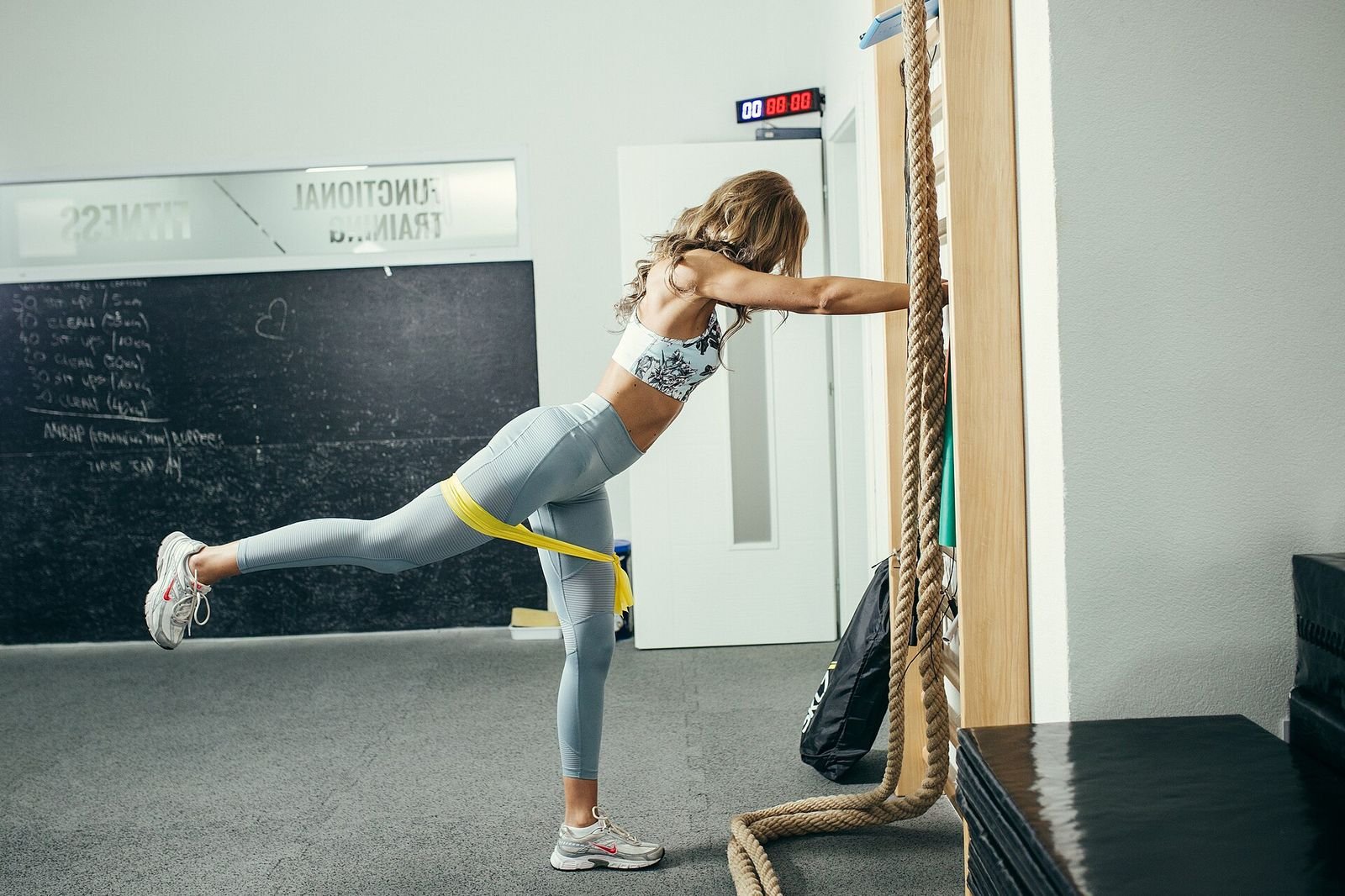
Resistance Bands
Bands add variety and store in a drawer. See our resistance bands guide.
Compact Cardio
Folding treadmills, compact bikes and upright-storing rowers fit small spaces. See treadmill vs. exercise bike and our rowing machine buying guide.
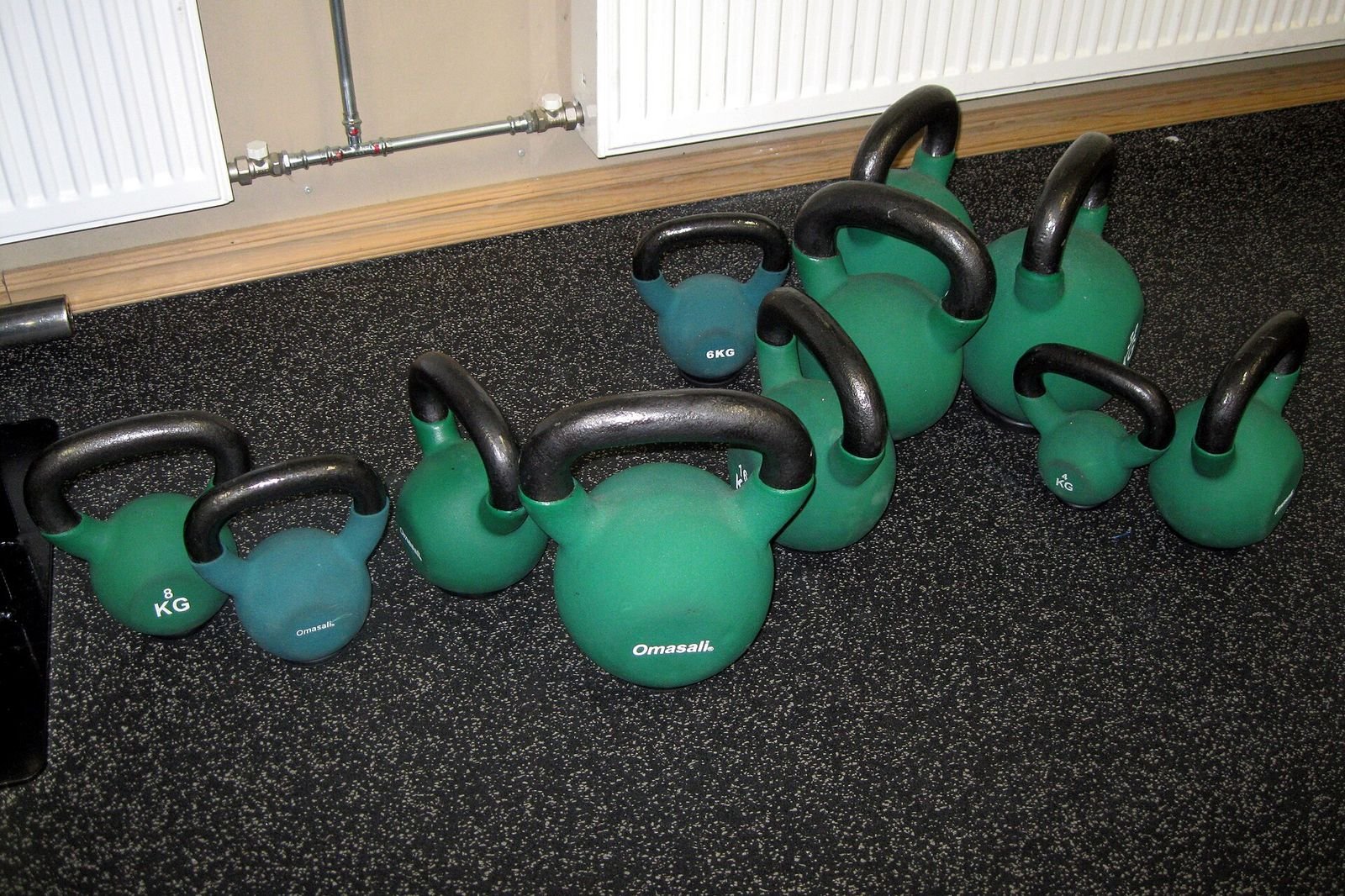
Kettlebells
Kettlebells are compact and versatile.
Doorway Pull-Up Bars
Check door frame compatibility and manufacturer guidance.
Apartment Considerations
Noise
Dropped weights and cardio equipment create noise and vibration. Use mats, avoid dropping weights and be mindful of neighbors and quiet hours.
Floor Load
Heavy equipment concentrates weight. If you plan to use heavy equipment, check building rules and consider consulting the building manager.
Lease Rules
Check your lease before mounting anything to walls.
Flooring
Rubber mats protect floors and reduce noise. See our rubber gym flooring guide.
Storage
Vertical storage, shelves and bins keep equipment organized. See home gym storage ideas.
Multi-Use Rooms
If your gym shares a room with an office or guest bed, choose equipment that stores quickly. Rolling carts and storage bins make setup and cleanup easier.
Ventilation and Lighting
Small rooms can get warm. Use fans and open windows if possible. Good lighting improves safety.
Budget
Small-space gyms can be affordable. See garage gym on a budget.
Sample Small-Space Setups
Minimal Setup
- Adjustable dumbbells
- Folding bench
- Resistance bands
- Mat
Cardio-Focused Setup
- Compact bike or folding treadmill
- Mat
- Resistance bands
Strength-Focused Setup
- Folding rack (where allowed)
- Barbell and plates. See how to choose a barbell.
- Folding bench
- Rubber flooring
Questions to Ask Before You Start
- What kind of training do you enjoy? Strength, cardio, mobility or a mix?
- How much space do you truly have? Measure both storage and workout space.
- Who else uses the room? Shared spaces need quick setup and cleanup.
- Are there neighbors below or beside you? Noise considerations shape equipment choices.
- What does your lease or homeowners association allow?
Making Equipment Do Double Duty
In a small gym, every item should earn its space:
- An adjustable bench supports many dumbbell exercises and doubles as a seat
- Adjustable dumbbells replace a dumbbell rack
- Resistance bands add variety without floor space
- A storage bench or ottoman can hide accessories
Quick Setup and Cleanup
A routine that takes only a few minutes makes it easier to train consistently:
- Keep equipment in one area or a rolling cart
- Use a single mat that rolls out quickly
- Store small items in one bin
Common Mistakes
- Buying equipment before measuring
- Choosing heavy equipment for upstairs rooms without considering floor load
- Mounting equipment without lease permission
- Letting equipment spread throughout the home
Small Garage Corners
If you share a garage with a car, consider:
- Wall-mounted folding racks where walls are suitable
- Rolling plate storage that tucks away
- Mats that can be lifted if the area doubles as parking
- Clear marking of where equipment goes so the car fits
Spare Bedrooms
Spare bedrooms often have carpet. A rigid base with rubber on top creates a stable surface. Protect walls from contact with equipment and check that doors can still close.
Balconies and Patios
Some people train outdoors in small spaces. Protect equipment from weather and check building rules.
Growing a Small Gym
Start with the essentials and add equipment slowly. Each new item should fit into the existing storage plan.
Safety in Small Spaces
Small spaces can feel crowded. Keep a clear area around you during exercises, store equipment immediately after use and avoid lifting near furniture, windows or glass doors.
Small-Space Checklist
- Measure floor, ceiling and doorways
- Choose compact, multi-purpose equipment
- Plan storage before buying
- Lay down mats to protect floors and reduce noise
- Check lease rules and building considerations
- Keep a clear workout zone
- Use vertical storage
When to Expand
If your small gym starts to feel crowded, review which items you actually use. Selling or storing unused equipment can free space for something more useful. If you consistently outgrow the space, a garage or dedicated room may be the next step. See garage gym on a budget for ideas on expanding affordably.
A First-Week Plan
In your first week, set up the space, use each piece of equipment at least once and notice friction points. Is a mat hard to roll out? Is a dumbbell stand in the way? Adjust the layout based on what you learn. Small changes early on make the space far more pleasant over time.
Frequently Asked Questions
Can I build a home gym in an apartment?
Yes, with compact equipment and attention to noise and lease rules.
What equipment saves the most space?
Adjustable dumbbells, folding benches and resistance bands.
Are folding racks good for apartments?
They require secure wall mounting and permission in rentals.
How do I reduce noise?
Use mats and avoid dropping weights.
Do I need a dedicated room?
No. Multi-use rooms work with good storage.
The Bottom Line
Small spaces can support effective home gyms with careful measurement, compact multi-purpose equipment, mats for noise and smart storage. Check lease rules and building considerations before installing heavier equipment.
Editorial note: Lift Nook is independent and reader-supported. This guide is based on research into manufacturer documentation, published specifications and widely accepted best practices; we have not been paid to mention any product. If we add affiliate links in the future, they will be clearly disclosed per our Affiliate Disclosure.
Photo: Omasali kettlebells by Santeri Viinamäki, CC BY 4.0